
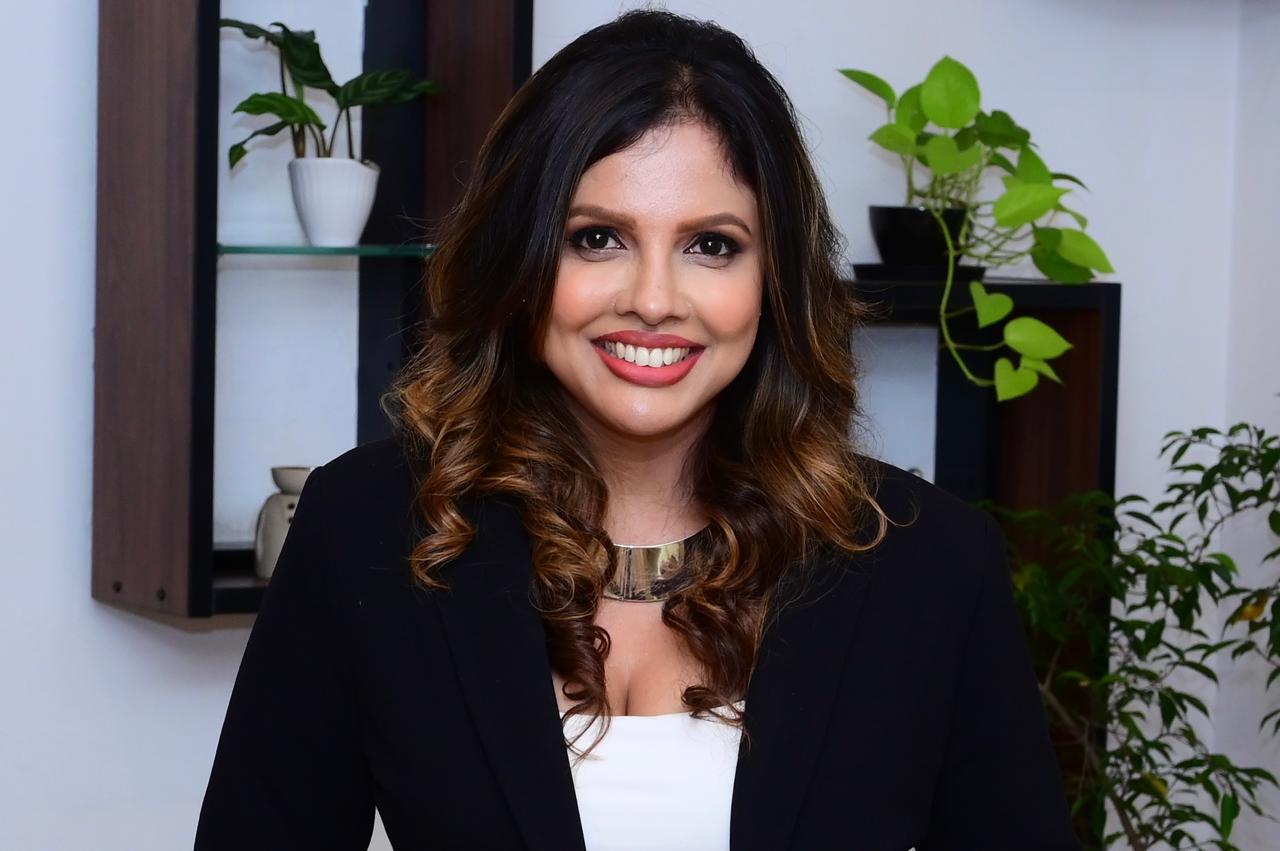
By Nipuni Fernando
For many years, the aesthetic industry was largely driven by aspiration. New treatments, trending procedures, celebrity-inspired beauty standards, and rapidly evolving technologies shaped consumer demand across global markets. Clinics competed through devices, visible transformations, promotional campaigns, and the promise of quick aesthetic enhancement.
But globally, the industry is now entering a more complex phase of evolution.
Today’s aesthetic consumer is no longer behaving like the consumer of a decade ago. Today’s clients are far more informed, exposed to digital content, and more aware of aesthetic treatments than before. Before even attending a consultation, many consumers have already spent hours researching treatments, comparing providers, watching patient experiences online, reading reviews, and following international aesthetic trends through social media platforms.
This has fundamentally changed the relationship between the industry and the consumer.
In the past, aesthetic decisions were often heavily influenced by visible transformation alone. Today, consumers are increasingly influenced by credibility, safety, natural outcomes, professionalism, and long-term confidence in the provider itself.
The rapid growth of the wellness and healthy ageing movement has also contributed to changing attitudes toward aesthetics. Increasingly, people are viewing appearance not as an isolated beauty concern, but as part of a broader lifestyle conversation connected to confidence, wellbeing, self-care, prevention, and healthy ageing.
As a result, the industry is gradually moving away from purely trend-driven consumption. Consumers are becoming more cautious about aggressive cosmetic changes, overfilled appearances, unrealistic beauty standards, and aggressive treatment marketing. In many international markets, there is already visible movement toward more natural-looking results, skin health optimization, preventative approaches, and regenerative-focused aesthetics.
The language of the industry itself is also slowly changing. Terms such as “skin quality,” “healthy ageing,” “regenerative aesthetics,” and “preventative care” are increasingly replacing the older culture of dramatic transformation and obvious cosmetic alteration.
This reflects something much deeper than a beauty trend. It reflects a psychological shift in how consumers now define attractiveness, wellness, and ageing itself.
Today’s clients are often not looking to become unrecognizable versions of themselves. Instead, many are seeking healthier skin, a fresher appearance, subtle enhancement, and the ability to age with confidence while still looking natural.
This evolution is also changing what consumers expect from aesthetic providers. Clients are no longer simply asking what treatment is popular or trending. Increasingly, they are asking whether a provider is trustworthy, whether recommendations are genuinely personalized, whether treatments are being over-sold, and whether the overall approach supports long-term wellbeing rather than short-term commercial gain.
In many ways, trust is becoming one of the industry’s most valuable currencies.
This conversation becomes even more important in developing markets like Sri Lanka, where the aesthetic industry is still evolving socially as well as commercially. Despite the growing popularity of Botox, fillers, laser procedures, PRP, acne scar treatments, and anti-ageing treatments, many people still feel uncomfortable openly discussing aesthetic concerns. At the same time, social media has created increasing confusion through unrealistic before-and-after images, heavily filtered beauty content, and aggressive advertising.
In such an environment, building consumer trust becomes extremely important. Clients are increasingly looking not only for results, but also for honest guidance, safety, and clear communication. Many simply want understandable answers to important questions such as: “Do I really need this treatment?”, “Are there side effects?”, “Will the results look natural?”, and “Is this the right option for me?”
This is where responsible aesthetic practice becomes critical. Ethical consultation, proper client education, realistic expectation setting, and medically guided treatment planning may ultimately become more valuable than marketing alone.
At the same time, unethical advertising has also created space for unqualified individuals and misleading practices to gain visibility and popularity online. In some cases, aggressive social media marketing can make inexperienced or untrained providers appear highly credible to the public. This creates both safety concerns and long-term reputational risks for the industry itself.
This may become especially relevant for Sri Lanka. Compared to larger regional industries such as South Korea, Thailand, or Singapore, Sri Lanka’s aesthetic sector is still relatively young. But this stage of development also creates an important opportunity. The country still has the ability to shape the industry before unhealthy industry practices become common within the market.
Globally, industries that sustain long-term growth are often those capable of balancing innovation with responsibility. Within aesthetics, this may increasingly mean stronger operational standards, better client education, ethical communication, medically guided environments, realistic treatment planning, and more responsible marketing approaches.
The future leaders of the industry may therefore not necessarily be the businesses offering the highest number of procedures or the latest trends. Instead, they may be the organizations capable of building long-term trust through professionalism, transparency, personalization, consistency, and consumer confidence.
Because while trends may change rapidly, trust is ultimately what determines whether an industry grows sustainably over time.








6 Responses
https://shorturl.fm/dcsIm
https://shorturl.fm/JT8eT
https://shorturl.fm/YJ2aS
https://shorturl.fm/Dp3aL
https://shorturl.fm/EW03d
https://shorturl.fm/9DrIC